I'm a Real Boy: AI, Deepfakes, and the Fight for Your Voice
For as long as I can remember, we have heard calls for ‘organic’ and ‘non-GMO’ with respect to our food. We have seen ‘all-natural’ listed on label after label for decades. People like ‘real’. Fake doesn’t nourish us. Fake even feels wrong. Fake doesn’t cut it.
Doesn’t the same thing apply to our own selves? One would think.
U.S. Senator Josh Hawley thinks so. During hearings on the subject, the Missouri Republican listened to testimony from members of the entertainment business regarding the No Fakes Act. This piece of legislation seeks to standardize how -or even if- your name, face or voice can be used without your direct consent.
The bill has been floundering around Washington for a couple of years, probably because it gets into the strangely tumultuous areas of liability and accountability. And we know D.C. is all-about that. Sarcasm alert.
AI is described by the pungent rat’s nest of the modern media as something we will all have to get used to in the future, but the reality is AI is upon us now in ways many of us don’t even realize.
In an article issued just after New Year’s 2024 – as if a harbinger or neon road sign of what the new year would hold – Eli Amdur, on Forbes online, laid out a breakdown of AI and all the ‘greatness’ it would bring, as if AI was without any downside at all.
Case in point: two of his highlighted categories were autonomous vehicles and the automation of manufacturing.
America’s love affair with cars and trucks is second-to-none in the world. We like to drive. It is embodied in our independent spirit. And if a 2022 Pew Research survey is any indication, we are nowhere near comfortable with the idea of sharing the road with driverless vehicles. In that survey, only about a quarter of respondents thought autonomous driving was even (generically) a ‘good idea’ but 63% said they would not ride in a car that had no human driver. I know I have no desire to experience that.
And as for automation in manufacturing, that isn’t exactly new news. It’s been around a while. Just in 2023 alone more than 40,000 industrial robots were implemented into American manufacturing processes across all industries, with more to come. With a renewed push to make more products at home, it will be curious to see if an intelligent balance can be struck between robotics and humans in American manufacturing.
But back to Josh Hawley.
When YouTube executive Suzana Carlos explained that, as a requirement for uploading a video, users must agree to allow their Gemini and other Google AI products to use said videos for ‘training’ the systems, Hawley was aghast. He stated that companies like Google – and Congress itself – needs to “give individuals powerful enforceable rights and their image and their property and their rights again.”
How many times have you already seen a ‘deepfake’ on social media and not realized it?
Whether it’s a clever mockup of Jim Carrey in The Shining, a convincing image of Morgan Freeman – saying ‘I am not Morgan Freeman’, or scams involving images of Taylor Swift and Elon Musk - which cost people millions, AI is off-and-running in ways never intended or envisioned by the general public. And, naturally, there is no consensus. Half of Star Wars fans were happy to see Carrie Fisher posthumously deepfaked in Star Wars: The Rise of Skywalker – and the other half were appalled and upset.
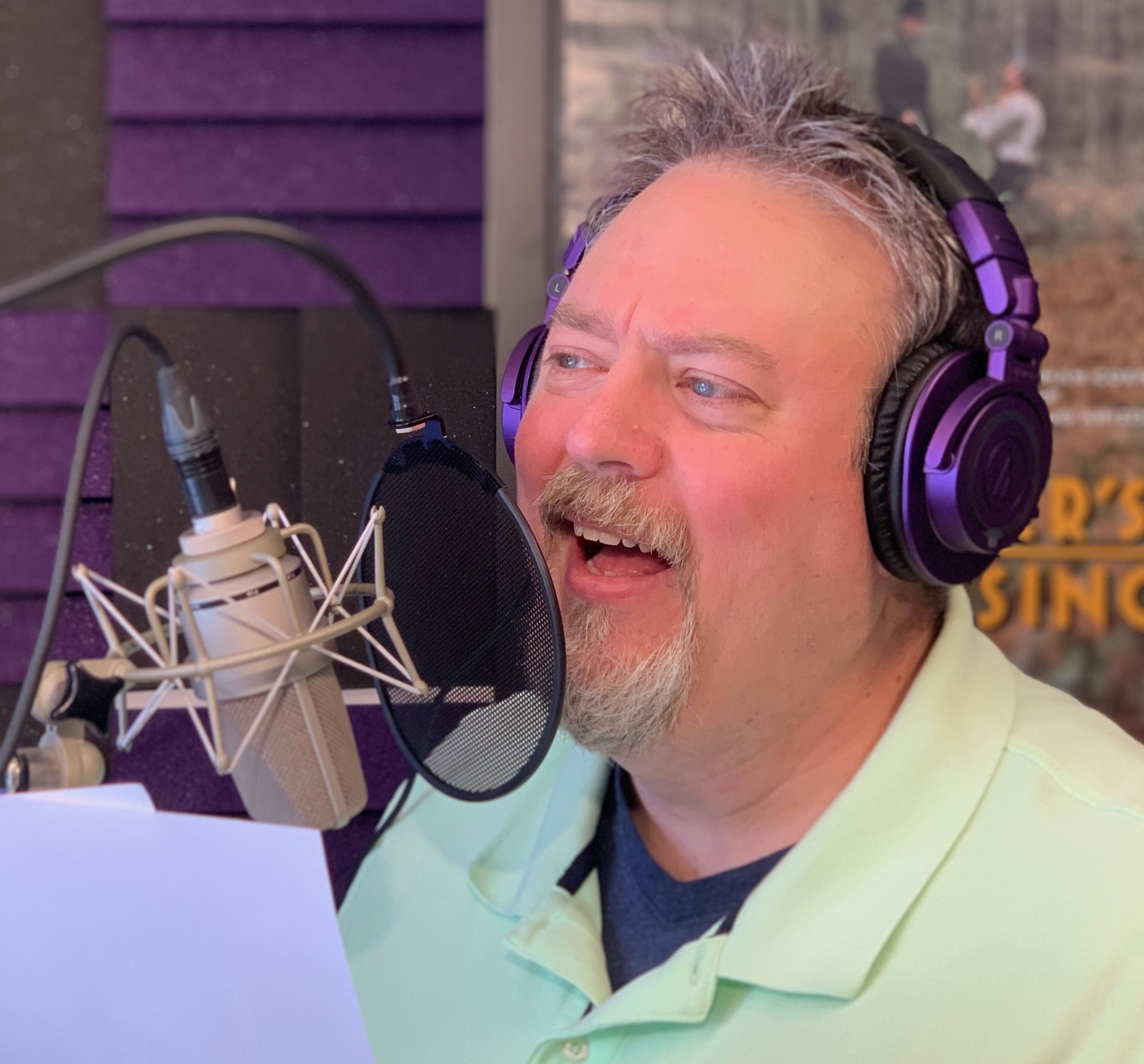
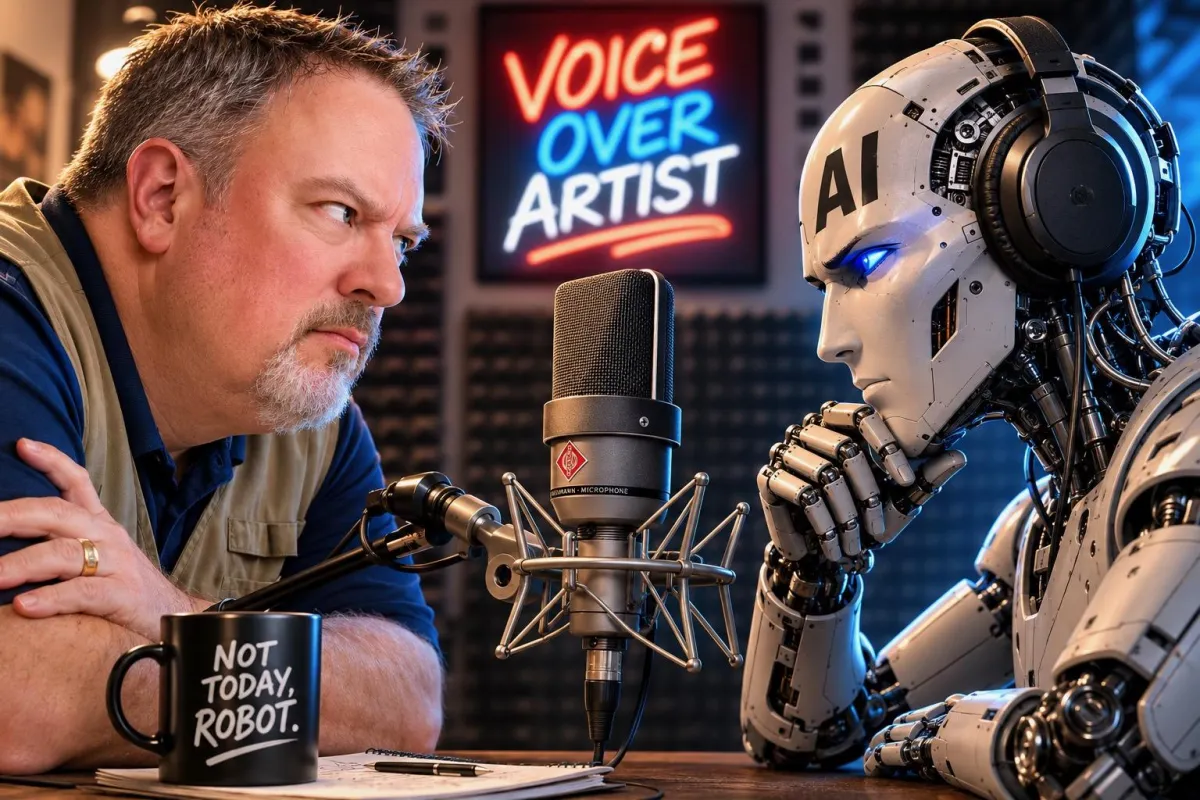
All this brings me to AI and the role it is already beginning to play in VO.
After recent advancements in AI, companies starting popping up all over the place offering their version of ‘AI voiceover’. This is obviously in direct competition with the tens of thousands of legitimate, talented, voiceover artists around the world.
The National Association of Voice Actors (NAVA) saw this coming and they have been pressing for laws to protect the rights of those doing VO, seeking inclusion of contract language to prevent unauthorized use and likeness of voice artists.
LinkedIn has become a sounding board for voice artists to discuss the impact of AI on their art – and their careers. I was struck by a recent comment: “It will just mean we have to work harder and focus on training”. Personally, I’m not sure how that helps.
Companies have a choice to make right now in their product representation, eLearning modules, etc – use a real voice from a real person, or something artificial and fake, vomited from software?
It seems to me the long-term answer is for Congress (and the EU as well) to significantly limit artificial human voice or image representation – or outlaw it entirely. That won’t help the man who lost his life savings in a deepfake involving the image of Elon Musk. The total of such scams is in the billons.
But in the end, that’s just money. When a convincing deepfake of, say, a major world leader hits social media and starts giving horrifying instructions to his or her constituents, well, just imagine the potentially irreversible fallout.
Pinocchio famously said, “I’m a real boy!” The problem with AI is that you can’t always tell.